Climate Risk and Adaptation at Florida Heritage Sites
Cultural Heritage
Why is Cultural Heritage Important?
If History is the brain, Heritage is the heart.
Shared cultural heritage is one of the things that bond members of groups to one another and to a group identity. The customs, values, and traditions that are passed down to us are the things that help us construct our own identity.
Examples of tangible cultural resources like buildings and monuments in the built environment and cultural landscapes in the natural environment are the basis for how we relate to our surroundings and tie our cultural identity to the land.
For historic preservationists and cultural resource managers, climate change presents a challenge of adaptation, not only in the physical sense at heritage sites, but also adaptation in thinking about what preservation means. While the future of some heritage sites may seem uncertain, there is a growing recognition in the field of what it will take to ensure resiliency of these sites in the future. Preservationists, cultural resource managers, and planners at the local, state, and federal level are realizing that an understanding of the science of climate change, and options for mitigation and adaptation strategies, along with an understanding of how to communicate this information to the public and other stakeholders is essential to ensuring the future of our threatened cultural resources.
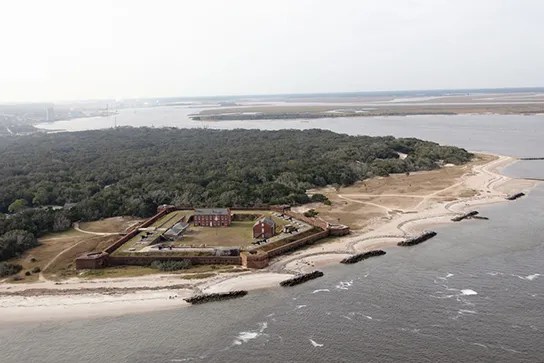

 Florida's Vanishing Heritage